Carbon Fiber Texture: A Modern Edge for Creative Design
There's a certain electricity in materials that speak of both strength and sophistication. Carbon fiber is one such material. Its intricate, woven pattern isn't just a surface detail; it's a visual language of precision, performance, and modern engineering. Translating that into a digital texture opens up a world of possibilities for designers and creators who want to inject their projects with a dose of cutting-edge style without saying a word.
The Anatomy of a High-Impact Texture
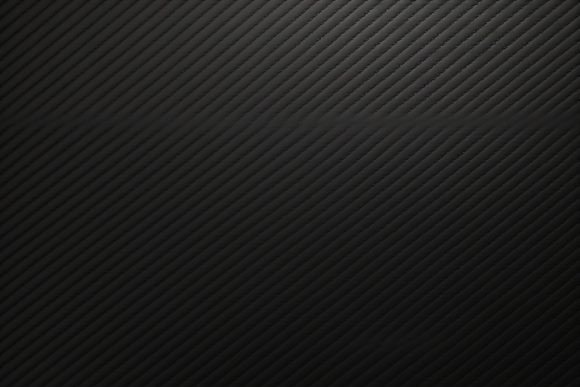
At its core, a carbon fiber texture is a complex weave of thousands of tiny carbon filaments. Visually, this creates a mesmerizing, almost holographic grid that shifts subtly with light and angle. The texture often has a deep, lustrous base—typically a rich black or dark grey—with the weave pattern catching highlights in ways that suggest depth and dimension. It's not a flat, static image; it carries an inherent sense of movement and technical refinement. This isn't your grandmother's linen or a rustic kraft paper. This is the texture of a supercar's hood, a high-end bicycle frame, or the casing of a premium tech gadget. Its personality is unequivocally modern, technical, and aspirational.
The appeal lies in this duality. It's functional and beautiful, strong and sleek. For a brand or a project, adopting this texture is a strategic choice. It tells your audience you value quality, innovation, and a forward-thinking aesthetic. It's a powerful visual shorthand for "premium" and "high-performance."
Where Carbon Fiber Texture Makes Its Mark
Understanding where to deploy this texture is key to its effectiveness. Its strong character means it can dominate a design if used without intention. Think of it as a statement piece in your design toolkit.
Branding and Identity
For businesses in tech, automotive, sports equipment, or any performance-driven niche, a carbon fiber texture can become a cornerstone of the brand identity. Imagine it as a subtle background for a logo, adding depth and texture to an otherwise flat design. It works exceptionally well for packaging design—think matte black boxes with a carbon fiber pattern debossed or printed on the surface, instantly elevating the perceived value of the product inside. It’s a texture that communicates durability and sophistication simultaneously.
Digital Presence and Marketing
In the digital realm, its applications are vast. Use it as a background for website banners to make promotional graphics pop. It provides a fantastic, non-distracting backdrop for white or brightly colored text and product images, ensuring high contrast and readability. For social media graphics, particularly on platforms like Instagram or LinkedIn where visual impact is crucial, a carbon fiber texture can make your posts stand out in a crowded feed. It’s also a brilliant choice for mockups, lending an air of realism and quality to product presentations.
Print and Physical Materials
The texture translates beautifully to print. Use it on the cover of a high-end lookbook, a tech conference brochure, or a premium business card. In editorial design, it can serve as a striking background for pull quotes or section dividers in magazines targeting a design-savvy or tech-oriented audience. For physical products, it’s a natural fit for promotional materials like posters, event signage, and even custom apparel like t-shirt graphics.
Creative Projects and Personal Use
Beyond commercial applications, this texture has a place in personal creativity. Scrapbookers and digital planners can use it to create sleek, modern layouts. It’s perfect for designing invitations to tech-themed events, gaming tournaments, or modern weddings with an industrial-chic theme. Crafters can print it onto vinyl or specialty paper to create unique decals, custom phone cases, or decorative elements for home decor with a minimalist, contemporary vibe.
Practical Guidance for Effective Implementation
Adopting a texture like carbon fiber isn't just about dragging and dropping. It requires a thoughtful approach to integrate it seamlessly into your work.
Evaluating Fit and Audience
First, assess if the texture aligns with your project's core message and your audience's expectations. A carbon fiber background might feel out of place for a children's book or a vintage bakery. Its strength is in contexts that value innovation, technology, strength, or luxury. Ask yourself: does this texture support the story I'm trying to tell?
Considering the File Details
The provided file—a 3000x2000 pixel JPG at 300 DPI in RGB color—is a versatile workhorse. The high resolution ensures it will look crisp on both large-format prints (like posters) and detailed digital screens. The 300 DPI is print-ready, and the RGB color mode is perfect for all digital applications. If you need to convert for a specific print process that requires CMYK, you can do so in your design software, but always check the color proof first as the deep blacks may shift slightly.
Testing and Pairing
Never use a texture in isolation. Test it with your other design assets. How does your chosen font pairing look against it? A clean, modern sans serif font often works best, as it complements the texture's technical feel without competing for attention. Avoid overly ornate script fonts or detailed serif fonts unless you're using the texture very subtly. The goal is visual hierarchy—the texture should enhance, not overwhelm, your core message.
Experiment with opacity. A full-strength carbon fiber texture can be intense. Try reducing its opacity to 20-30% for a more subtle, sophisticated background that still hints at the material's character. Use layer blending modes like "Overlay" or "Soft Light" in your design software to integrate it more dynamically with other colors and elements.
Readability is Paramount
As with any background texture, the ultimate test is whether your text remains easy to read. The woven pattern can create visual noise. Ensure there is sufficient contrast—place text on solid color blocks or use a semi-transparent overlay behind your type to guarantee legibility. This is especially critical for longer paragraphs in editorial design or web design elements.
Licensing and Commercial Use
Finally, always verify the licensing. Since this is a premium font and texture asset, understand its terms. Can you use it in unlimited projects? Is it cleared for commercial use on products for sale? Knowing the rules protects you and your clients and ensures you can use this powerful design asset to its full potential across all your creative endeavors.
In the end, a carbon fiber texture is more than just a pattern. It's a design decision that carries weight and meaning. Used with intention and skill, it can help you build brand recognition, create stunning social media graphics, and design print materials that feel undeniably premium. It’s a tool for creators who want to communicate strength, precision, and a sleek, modern vision.